
REALITY

PICTURED HERE:
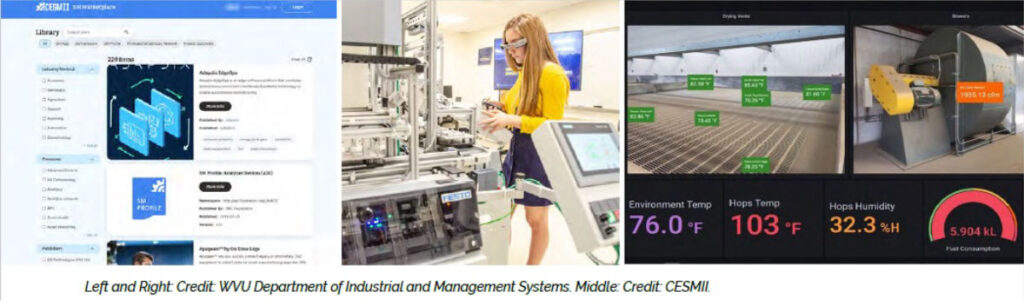
The Stereotype
Robots are taking factory jobs. Artificial intelligence is replacing human decision-making on the production floor. The more automation advances, the fewer workers manufacturing will need. This narrative has driven anxiety about the future of work for more than a decade — and it surfaces every time a new technology platform is introduced in an industrial setting.
The Reality
The evidence is more nuanced. Automation does change jobs — consistently, and often significantly. But the pattern in advanced manufacturing is that technology shifts what people do and how they contribute rather than eliminating the need for people. Repetitive, physically demanding, and hazardous tasks move to machines. Workers move into roles requiring technical judgment, programming, maintenance, process optimization, and quality oversight. In high-value manufacturing sectors, automation has generally been associated with higher wages and stronger demand for skilled workers — not fewer of them.
The challenge is transition: workers trained for one set of tasks need pathways into the new ones. This is the gap Manufacturing USA institutes are purpose-built to help address.
What the Network Is Doing
Why It Matters
The fear of automation is understandable — but misdirected when it leads workers and policymakers to avoid investment in manufacturing careers and capabilities. The answer to technology-driven disruption is not avoidance. It is investment in the pathways that allow workers to grow into the technical roles that automation creates. That is precisely what Manufacturing USA institutes exist to provide.